What is Copywriting? Learn about Copywriting in 3 minutes!
Why do you need copywriting?
Are you trying to Copywrite for your products or services? What is copywriting and how can you master the technique? Freehunter will break everything down for you – you will be learning about all kinds of copywriting and successful examples!
What is Copywriting?

| Copywriting is the process of writing persuasive marketing materials.
The goal of copywriting is to motivate people to take some form of action, such as making a purchase or clicking on a link. Through writing marketing materials, copywriters aim to alter the consumption patterns of their target audiences, benefiting their brand or company.
What does a copywriter do?
1. Advertisements

|Copywriters will brainstorm promotional materials that are in line with the company’s brand image.
The most effective way to launch a product into the market is through advertisements.
The process of advertisement production is usually carried out by the marketing department and business development department. Both departments will work together to plan a product positioning strategy, defining the selling point of the product and its target audience.
Advertisements include printed media and online commercials that will be published online or aired on television. Copywriters will be responsible for coming up with advertising slogans and scripts for adverts.
2. Marketing

| Copywriters have to compose intriguing promotional emails and blog posts to engage readers.
Except for advertisements, direct marketing is also a tactic for promoting commodities and services. Most companies make use of EDM (electronic direct mail) or seasonal sales to attract customers and encourage spending.
3. Social Media
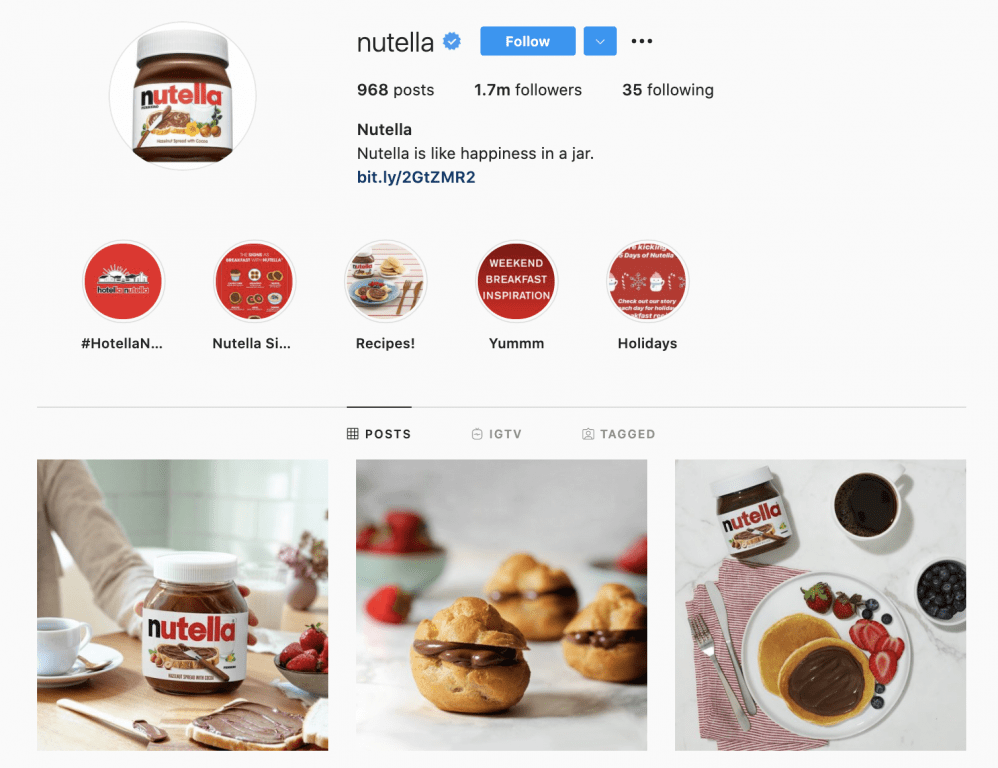
| Copywriters have to update social media sites regularly to attract readers and followers.
Social media has become an inseparable part of our daily lives, hence corporates deviate from traditional advertising tactics and steer towards social media marketing.
Other than posting advertisements on social media platforms, most firms adopt soft marketing tactics such as running social media accounts to attract followers and create brand awareness. Copywriters will have to present the company’s image and personality in a positive light.
What are the types of copywriters out there?
1/ Agency Copywriter
When it comes to digital marketing, there are the options of in-house and agency marketing.
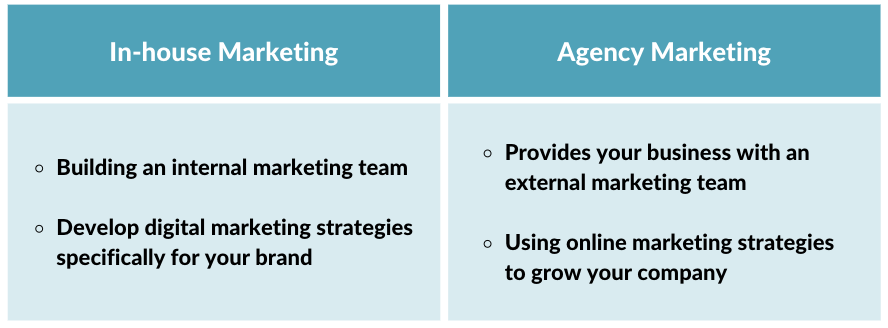
As agency marketing firms collaborate with a huge variety of firms, agency copywriters will be exposed to a wide array of products and projects that target different audiences.
This enables agency copywriters to dwell deeper into the behavioural patterns, background information and customer preferences.
Hence, most copywriters will gain experience in marketing agencies, adapting to the needs of various types of clients in the process of copywriting and developing marketing campaigns.
2/ In-House Copywriter
| In-house copywriters create promotional materials according to the firm’s personality.
In-house marketing refers to internal marketing teams which devise customized marketing plans for a single brand or product. In comparison to marketing agencies, copywriting work at in-house marketing agencies will be more specialized, allowing copywriters to dig deeper into a certain field or commodity.
3/ Freelance Copywriter
| Freelance copywriters are freelancers who copywrite for diverse brands and corporates.
The nature of freelance copywriting is similar to launching an independent marketing agency, as freelancers will have to personally negotiate working hours and charges with clients. However, freelance copywriters have higher autonomy and more flexible working hours.
Freelance copywriters usually have impressive portfolios, with most freelance copywriters being experienced experts in the field. They usually get copywriting jobs through referrals from previous clients.
Tips to polish your copywriting skills

| Copywriting does not simply involve writing composing.
Copywriting is a craft that is result-oriented, with a strong emphasis put on its commercial value.
A graphic designer has to take into consideration the use of colours, shapes, and fonts to put forward a certain message. Likewise, copywriters have to balance different aspects to create the desired effect.
Copywriting Tip 1/ Repetition
| Copywriters can make good use of repetition to persuade consumers.
The technique of repetition alludes to the “mere-exposure effect“. People tend to develop a preference for things merely because they are exposed to them multiple times.
By repeatedly mentioning the selling point of a product during the process of copywriting, the target audience will be convinced and convert to customers.
Copywriting Tip 2/ Provide reasons for choosing your brand
| By adding the reasons for a request, the other person will be more likely to be persuaded.
There are scientific experiments proving the phenomenon that the other person will be more willing to accept your request if you provide the reasons for the acceptance.
Copywriters can make use of this finding by attaching reasons for converting into customers in the CTA (Call to Action).
For example, if you are copywriting for a flash sale, you may incorporate this idea into the slogan: “Get your hands on our products with the lowest price! Time is running out. Don’t regret it after the sale ends!” Simply by providing an incentive for consumers, your slogan will become more powerful.
Copywriting Tip 3/ Strategic word order
| Other than phrasing, word order also contributes to the effect brought out by your slogan or commercial material.
A study has stated that when people are processing huge amounts of information, messages at the beginning and the end of the content are more likely to be picked up.
During the process of copywriting advertisements, marketing emails, and promotional leaflets, copywriters can make use of this technique by starting off and wrapping up adverts with key messages.
This technique enhances the effectiveness of your copywriting materials, allowing the message to get across to consumers more directly.
What is the difference between content writers and copywriters?
Most people confuse content writers with copywriters. Indeed, the tasks carried by both content writers and copywriters converge at times, while both professions require outstanding language and writing abilities.
On top of that, copywriters should be equipped with a strong business sense. Copywriting involves in-depth marketing research to understand the consumption behaviours of clients.
Looking for professional copywriters?
If you wish to promote your product or service but don’t know where to start, you should get in touch with a professional copywriter.
On Freehunter, you can contact freelancers that specialize in copywriting. Get a free quotation now!

 香港人的Freelance平台精選40,000+位Freelancer|涵蓋40種不同行業 Freehunter是一個深受各大企業信賴的網上Freelance平台,用戶遍佈星港台三地,擁有超過40,000位專業自由工作者,協助各地客戶尋找理想工作伙伴!Freehunter團隊期望透過提供多元化的工作機會,讓更多人從事自己喜愛的事業。並獲客戶如阿里巴巴、UBS、連卡佛、新北市政府等信賴。